
The hours after a car accident can feel chaotic. One moment you’re driving normally, and the next you’re dealing with a damaged vehicle, possible injuries, and calls from insurance companies.
Most people don’t expect to be in this situation, so it’s normal to feel unsure about what to do next.
The first 24 hours after a crash are especially important. The steps you take during this time can affect your health, your insurance claim, and your ability to recover compensation later.
If you were involved in a car accident in New Jersey, the guidance below can help you handle the situation calmly and protect yourself from common mistakes.
Start by Making Sure Everyone Is Safe
Immediately after a collision, the most important thing is safety.
Check yourself and anyone else involved in the accident for injuries. If someone is hurt, call 911 right away so emergency responders can arrive quickly.
Even when injuries appear minor, it’s still important to take the situation seriously. Shock and adrenaline can mask pain in the moment, which is why some injuries don’t become noticeable until later.
If your vehicle is blocking traffic and it is safe to move, try to pull to the side of the road. Turn on hazard lights to warn other drivers.
Get Medical Attention — Even If You Feel Fine
Many accident victims believe they are okay immediately after the crash, only to experience symptoms hours later.
Injuries like whiplash, concussions, and soft tissue damage often take time to develop.
Within the first 24 hours, consider visiting:
-
An emergency room
-
An urgent care clinic
-
Your primary care doctor
Medical records created soon after the accident can be very important if you later file an insurance claim. They help establish a clear connection between the accident and your injuries.
More importantly, they ensure you receive the care you need.
Make Sure the Accident Is Properly Reported
In New Jersey, accidents involving injuries or significant vehicle damage should be reported to the police.
When officers respond to the scene, they prepare an official accident report that may include:
-
Information from both drivers
-
Statements from witnesses
-
Observations about the road conditions
-
Initial details about how the crash occurred
This report often becomes a key document when insurance companies evaluate the claim.
If police did not respond to the scene, you may still need to report the accident depending on the circumstances.
Exchange Information With the Other Driver
Before leaving the scene, drivers should exchange basic information.
This typically includes:
-
Full name and contact information
-
Driver’s license number
-
Insurance company and policy number
-
Vehicle registration details
It’s also helpful to note the make, model, and license plate number of the other vehicle.
Try to keep the conversation calm and focused on exchanging information. Avoid arguing or discussing fault.
Take Photos and Document the Scene
If it is safe to do so, take photos of the accident scene.
These photos can be extremely useful later when insurance companies review what happened.
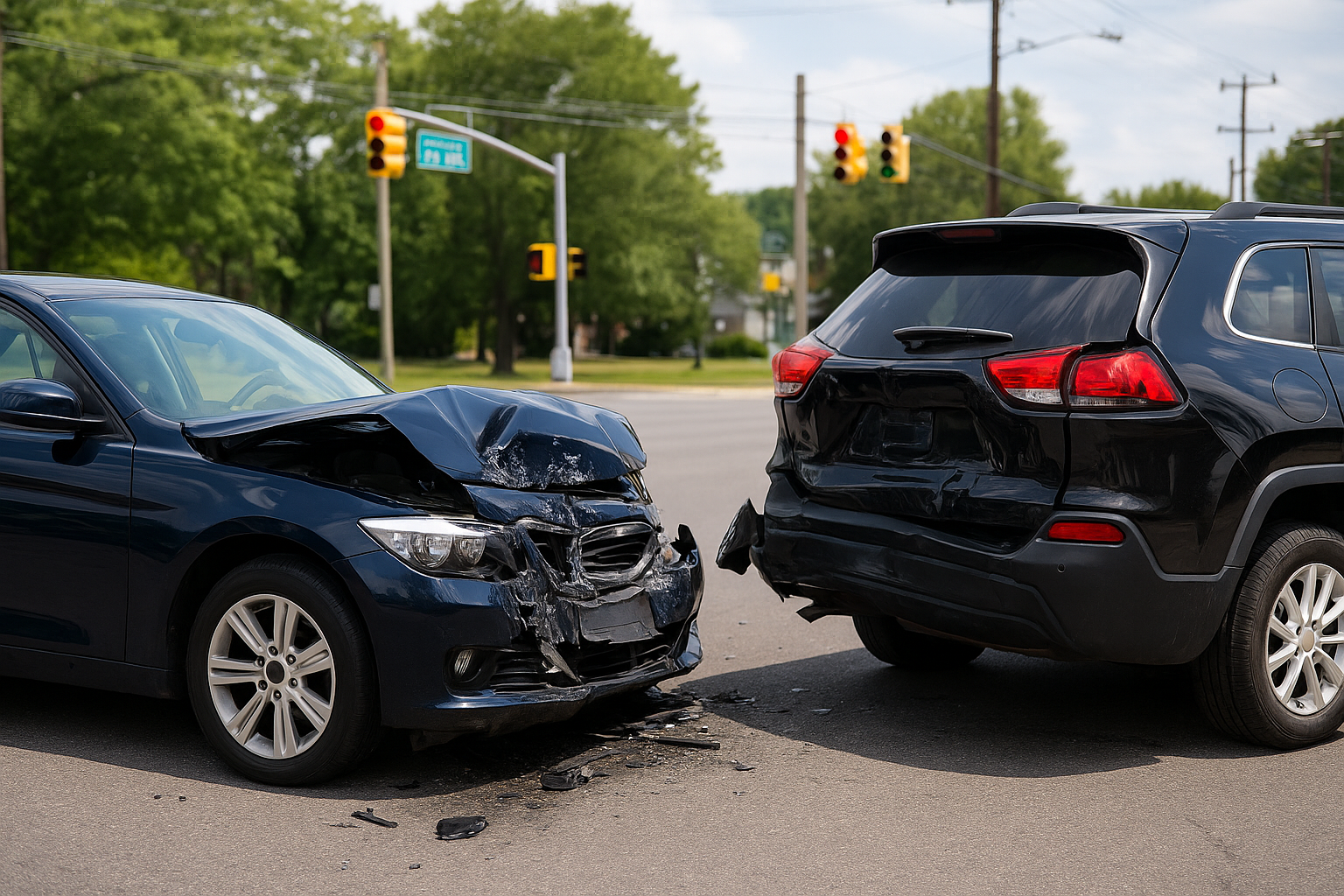
Helpful images may include:
-
Damage to both vehicles
-
The positions of the cars
-
Traffic lights or stop signs
-
Road conditions or skid marks
-
Any visible injuries
You may also want to write down what you remember about the accident while the details are still fresh.
Notify Your Insurance Company
After leaving the scene, one of the next steps is notifying your insurance company that an accident occurred.
New Jersey operates under a no-fault insurance system, which means your own auto insurance typically pays your medical expenses first through Personal Injury Protection (PIP) coverage.
When speaking with insurance representatives, it’s best to stick to the basic facts. Avoid speculating about fault or making assumptions about what caused the crash.
If you’re unsure about something, it’s okay to say you need time to review the details.
Pay Attention to Symptoms Later That Day
The hours after an accident can bring new physical symptoms.
Common issues people notice later include:
-
Neck stiffness
-
Back pain
-
Headaches
-
Dizziness
-
Muscle soreness
If you begin feeling worse as the day progresses, seek medical care right away.
Prompt treatment not only protects your health but also creates documentation that may be important later.
Be Careful With Social Media
After an accident, it’s natural to want to share what happened with friends or family.
However, posting details or photos online can sometimes complicate insurance claims.
Insurance companies occasionally review social media activity during claim investigations. Even harmless posts may be misunderstood.
For this reason, it’s usually best to keep accident details private until the situation is resolved.
Consider Speaking With a Car Accident Lawyer
Not every accident requires legal help. However, when injuries, medical treatment, or lost wages are involved, many people find it helpful to understand their legal options.
An experienced attorney can review the details of the accident, explain how New Jersey’s insurance rules apply, and help you understand what steps may protect your interests moving forward.
Why the First 24 Hours Matter
What you do in the first day after an accident often shapes everything that follows.
Seeking medical care, documenting the crash, and handling insurance communication carefully can prevent many problems later in the process.
If you want to understand the entire process after a crash — including insurance claims, compensation, and legal rights — read our full guide:
What To Do After a Car Accident in New Jersey
https://lawyercaraccidentnynj.com/what-to-do-after-a-car-accident-in-new-jersey/
Final Thoughts
A car accident can disrupt your life in ways you didn’t expect. The hours afterward may feel stressful and uncertain.
Taking things step by step — focusing on safety, medical care, and documentation — can help you regain control of the situation.
Most importantly, remember that you don’t have to figure everything out at once. The first 24 hours are simply about protecting yourself and making sure the right foundation is in place for whatever comes next.